Description
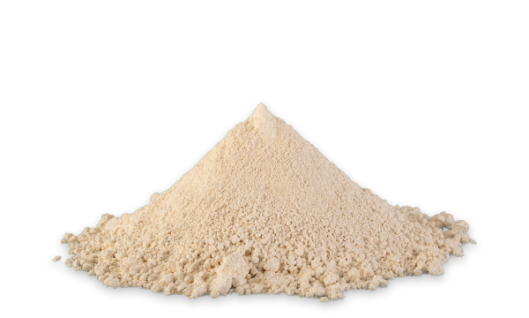
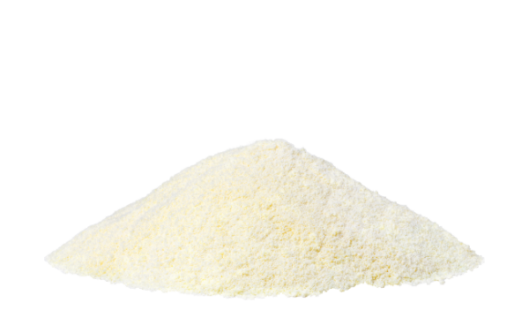
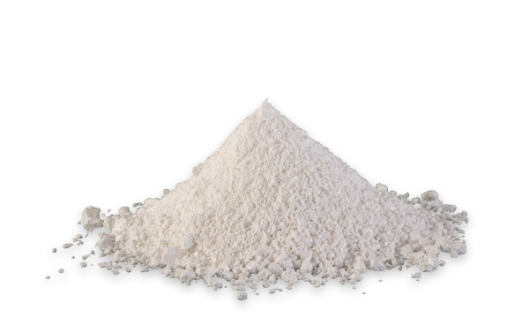
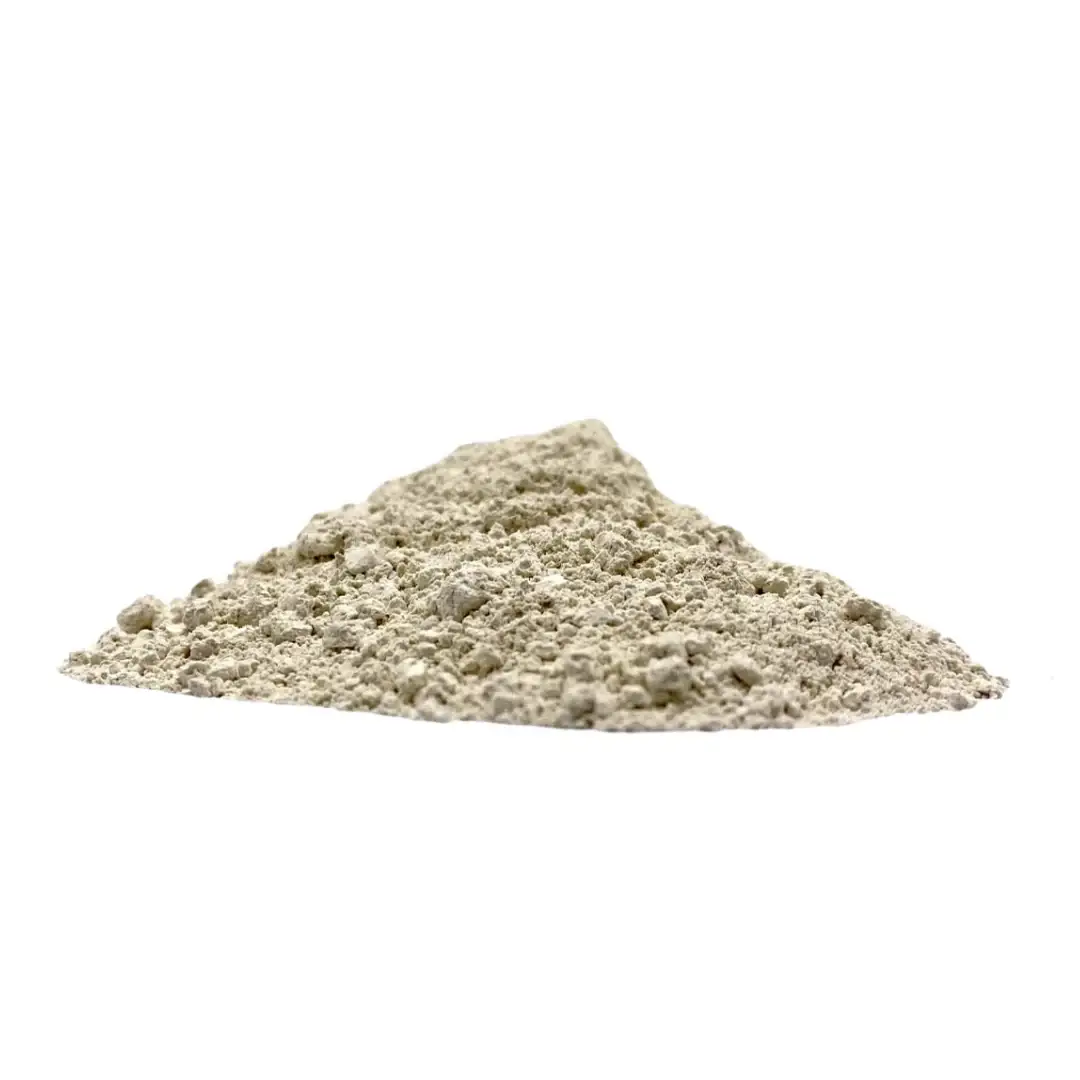
China Clay, also known as Kaolin, is a naturally occurring white mineral composed primarily of kaolinite (Al₂Si₂O₅(OH)₄). Formed through the chemical weathering of feldspar-rich rocks like granite, it is prized for its purity, plasticity, and thermal stability—making it a cornerstone in multiple industries.
🔬 Key Properties of China Clay
- High Whiteness: 93–97%, ideal for bright finishes
- Fine Particle Size: <2 microns, ensures smooth texture
- Low Shrink-Swell Capacity: Stable under moisture changes
- Low Cation-Exchange Capacity: Chemically inert
- High Plasticity: Excellent for shaping ceramics
- Refractoriness: Withstands up to 1800°C
- Oil Absorption: 55–65 g/100g, useful in paints and cosmetics
🏭 Industrial Applications
🏺 Ceramics & Porcelain
- Used in whiteware, sanitaryware, and fine china for strength, translucency, and moldability.
📄 Paper Industry
- Acts as a filler and coating agent to improve brightness, opacity, and printability.
🎨 Paints & Coatings
- Enhances gloss, viscosity, and pigment dispersion. Extends TiO₂ for cost efficiency.
🧴 Cosmetics & Personal Care
- Found in face masks, powders, and lotions for its absorbent and smoothing properties.
💊 Pharmaceuticals
- Used as a binder and controlled-release agent in tablets and capsules.
🧱 Plastics & Rubber
- Improves mechanical strength and thermal resistance. Acts as a functional filler.
🌾 Agriculture
- Serves as a carrier for fertilizers and pesticides. Enhances soil texture and water retention.
🌍 Global Sourcing & Sustainability
Major deposits are found in China, India, Brazil, USA, and UK. Sustainable mining and beneficiation practices are increasingly adopted to reduce environmental impact and improve yield quality.